

Justo a unos pocos kilómetros al este de la Gran Mezquita en Meca se encuentra uno de los sitios más espiritualmente ricos y históricamente significativos en el mundo islámico — Mina. Aunque a menudo está eclipsado por monumentos más grandes como la Mezquita al-Haram o el Jabal al-Noor, Mina ocupa un lugar tranquilo pero poderoso en el corazón de cada musulmán. No es solo un valle; es un recuerdo viviente de fe, paciencia y sacrificio.
Si alguna vez has oído hablar de la peregrinación del Hajj o del simbólico apedreamiento del diablo, ya has oído hablar de Mina. Pero este valle merece ser entendido por sí mismo, incluso fuera de la temporada del Hajj. Es un lugar donde millones se reúnen no solo para completar un ritual, sino para reflexionar sobre profundas lecciones espirituales que aún resuenan hoy.
Hagamos una caminata relajada a través del pasado y presente de Mina — su valor simbólico, su relevancia atemporal y el poder silencioso de sus caminos polvorientos.
Un Valle Empapado de Fe e Historia
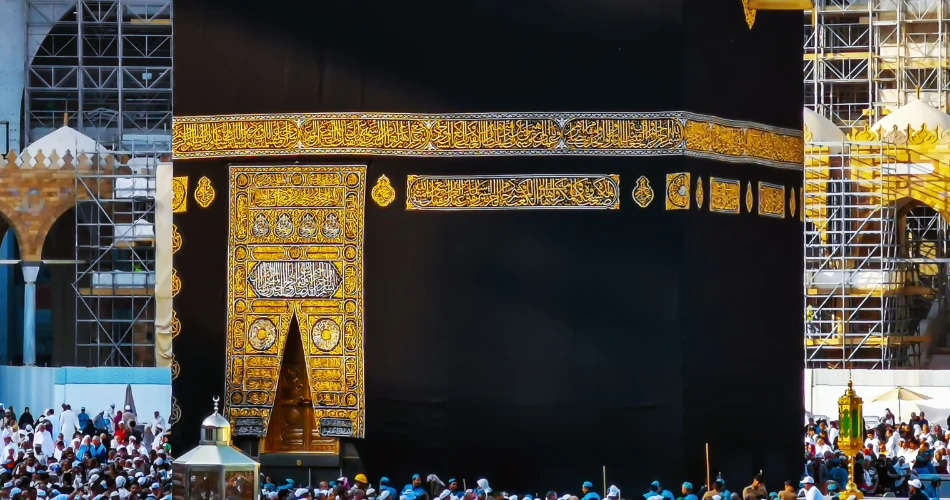
Antes que nada, Mina es un valle sagrado envuelto en historias antiguas. Ubicado a unos 5 kilómetros de la Mezquita al-Haram, este lugar juega un papel clave en los pasos finales de la peregrinación del Hajj. Y sin embargo, su importancia va mucho más allá de una mera parada en un viaje.
Este es el lugar donde el Profeta Ibrahim (AS) fue puesto a prueba. Es aquí donde se preparó para sacrificar a su hijo, Ismail (AS), como un acto de obediencia a Allah. Pero, justo antes del acto, Allah reemplazó al niño con un carnero — un momento que ahora se conmemora cada año a través de Eid al-Adha.
Debido a este momento, Mina se erige hoy como un recordatorio físico de la confianza y sumisión inquebrantables. Para aquellos que exploran Mina Meca más allá de la obligación religiosa, entender esta capa histórica añade una rica profundidad a la visita.
Y por supuesto, está el ritual simbólico de apedrear los tres Jamarat. Los peregrinos lanzan piedras a tres pilares de piedra, recreando el rechazo del Profeta Ibrahim a los susurros de Shaytaan. Incluso cuando no están en uso, estas estructuras de piedra permanecen en silencio, siendo testigos de la fe de millones. Para aquellos que buscan el patrimonio islámico en Meca, pocos lugares hablan más alto que este humilde valle.
La Vida en la Ciudad de Tiendas: Lo Moderno se Encuentra con lo Histórico
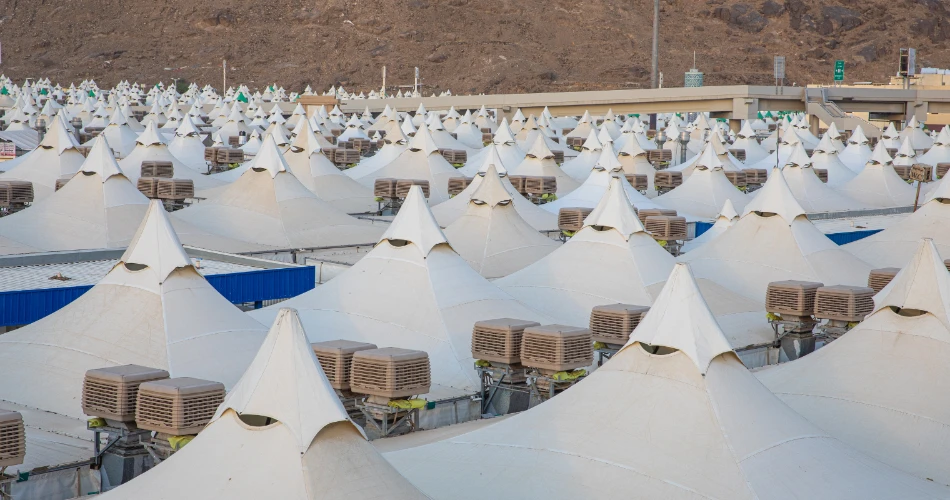
Una vez que llegues a Mina, una cosa llamará inmediatamente tu atención: el mar de carpas blancas. Conocida como la Ciudad de las Tiendas, Mina alberga más de 100,000 carpas con aire acondicionado que alojan a los peregrinos durante el Hajj. A primera vista, pueden parecer una infraestructura moderna. Pero estas carpas se encuentran en tierras que han acogido a los fieles durante más de un milenio.
A pesar de las actualizaciones modernas de las carpas, el paisaje de Mina no ha cambiado drásticamente. Sus montañas todavía se elevan con el mismo orgullo silencioso. Sus vientos secos aún susurran las mismas historias. Cada año, este valle se transforma de la quietud en un pulso vibrante de devoción — para luego volver al silencio nuevamente.
Es esta mezcla de pasado y presente lo que hace a Mina tan fascinante. A diferencia de muchos lugares históricos en Meca, Mina no está llena de ruinas o paredes antiguas. En su lugar, guarda recuerdos intangibles: actos de fe, momentos de prueba y una profunda paz interior.
Aún fuera del Hajj, el valle permanece abierto. Caminar aquí, incluso cuando está vacío, te permite sentir la energía que queda atrás. Algunos visitantes utilizan aplicaciones como Muslim Pro o Islamic GPS para mapear los sitios clave dentro de Mina. Estas herramientas te permiten explorar sin perderte y proporcionan guías de audio o contexto histórico directamente desde tu teléfono — un puente útil entre el viajero de hoy y las tradiciones de ayer.
Qué Notar Durante una Visita
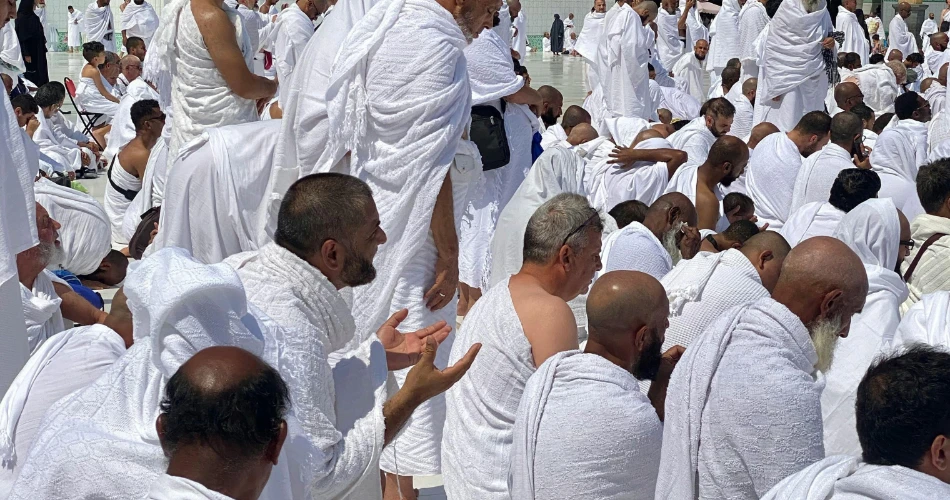
Porque Mina está principalmente activa durante el Hajj, muchas personas se preguntan si vale la pena visitar el resto del año. ¿La respuesta corta? Absolutamente sí — y aquí está el porqué.
Primero, el Puente Jamarat está abierto a los visitantes y es visible incluso durante los momentos de menor afluencia. Es una pieza arquitectónica impresionante, construida para mantener seguros a los peregrinos durante sus rituales. Aunque puede parecer solo una estructura funcional, saber lo que sucede aquí durante el Hajj — y por qué — lo hace increíblemente conmovedor.
A continuación, está la Masjid al-Khayf, una de las mezquitas más respetadas en Mina. Se cree que muchos profetas, incluido el Profeta Muhammad (SAW), rezaron aquí. A pesar de que está abierta principalmente durante el Hajj, estar ante sus puertas o caminar alrededor de su perímetro lleva consigo un peso espiritual propio.
También notarás marcadores y placas que ayudan a explicar momentos históricos clave. Muchos están escritos en árabe, pero aplicaciones de traducción como Google Lens pueden ayudar a hacer que estos letreros sean más accesibles. Este pequeño apoyo digital puede realmente enriquecer tu comprensión de las atracciones religiosas que se encuentran en este valle de otro modo discreto.
Además, la aplicación oficial del Ministerio de Hajj y Umrah ofrece información y recorridos digitales por toda la zona. Esta aplicación no solo ayuda durante la temporada de peregrinación, sino que también sirve como una herramienta educativa confiable para aquellos interesados en la historia y el patrimonio islámico.
Un Lugar para la Reflexión, No Solo para el Ritual
Lo que hace a Mina diferente de otros lugares históricos en La Meca es que no se trata de una hermosa arquitectura o detalles artísticos. En cambio, es un paisaje de cambio interno. No encontrarás paredes decoradas ni cúpulas intrincadas aquí. Pero lo que sí encontrarás es espacio — tanto físico como emocional — para reflexionar profundamente.
Cuando los peregrinos realizan sus rituales en Mina, están entrando en una narrativa que abarca siglos. Pero incluso fuera de la peregrinación, simplemente estar en Mina te permite conectar con ese legado. Estás caminando en los mismos pasos, respirando el mismo aire seco del desierto, y quizás incluso sintiendo la misma emoción nerviosa o paz que otros han sentido durante generaciones.
Debido a su entorno abierto y tranquilo, Mina fomenta la contemplación. Siéntate en una roca. Observa cómo el viento recorre el valle. Imagina las voces de los peregrinos del pasado. Esto no es un museo — es un sitio vivo. Y para cualquiera interesado en el patrimonio islámico en La Meca, eso es más poderoso que cualquier exhibición detrás de vidrio.
Reflexiones Finales: Por Qué Mina Importa Durante Todo el Año
En una ciudad llena de monumentos icónicos y sagradas mezquitas, Mina puede parecer fácil de pasar por alto. Pero una vez que entiendes lo que representa, se vuelve inolvidable. No es grandiosa en apariencia, pero es grandiosa en significado. No está constantemente zumbando, pero cuando se trata de fe, resuena profundamente.
Mina es donde se puso a prueba la obediencia, donde se rechazó el mal y donde la confianza en Allah alcanzó su punto más alto. Estas historias no son solo viejas — están vivas, esperando ser sentidas y entendidas por cada nuevo visitante.
Así que, ya seas un peregrino, un amante de la historia o alguien simplemente atraído por lugares espirituales, Mina tiene algo que ofrecer. Camina por sus caminos tranquilos. Mira hacia sus modestas colinas. Deja que el peso de su historia se asiente sobre tus hombros — suavemente, pero con seguridad.
Porque en Mina, el silencio habla. Y si escuchas atentamente, oirás más que solo historias. Las sentirás.