

Simple activities to enrich your faith journey through sacred lanes
Walking through the Holy City is more than just a journey across streets and alleys—it is an immersion into centuries of history, faith, and spirituality. Each step taken in these historic lanes connects travelers with the stories of devotion, resilience, and the timeless beauty of Islamic heritage. These spiritual walks not only allow visitors to explore the architectural wonders and bustling markets but also encourage inner peace, reflection, and mindfulness.
Below, we highlight simple yet deeply enriching activities you can do while wandering the sacred lanes of the Holy City.
Visiting Mosques for Reflection
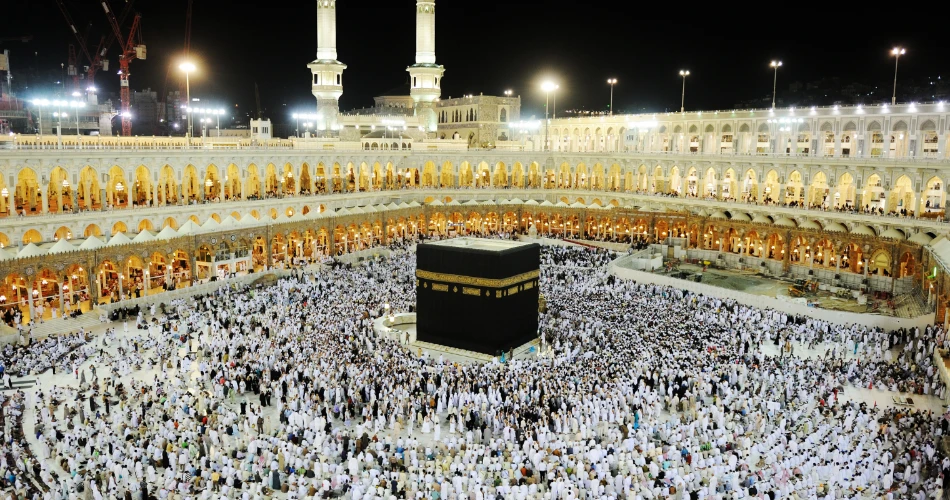
One of the most rewarding activities during a spiritual walk is visiting the mosques that line the old streets. Many of these mosques date back centuries, carrying with them the legacy of scholars, leaders, and worshippers who shaped the city’s history. Sitting quietly in the prayer halls or offering two units of prayer gives visitors a chance to pause and connect deeply with their faith. These mosques often feature beautiful courtyards, peaceful fountains, and intricately designed minarets that enhance the spiritual atmosphere.
Exploring Traditional Markets
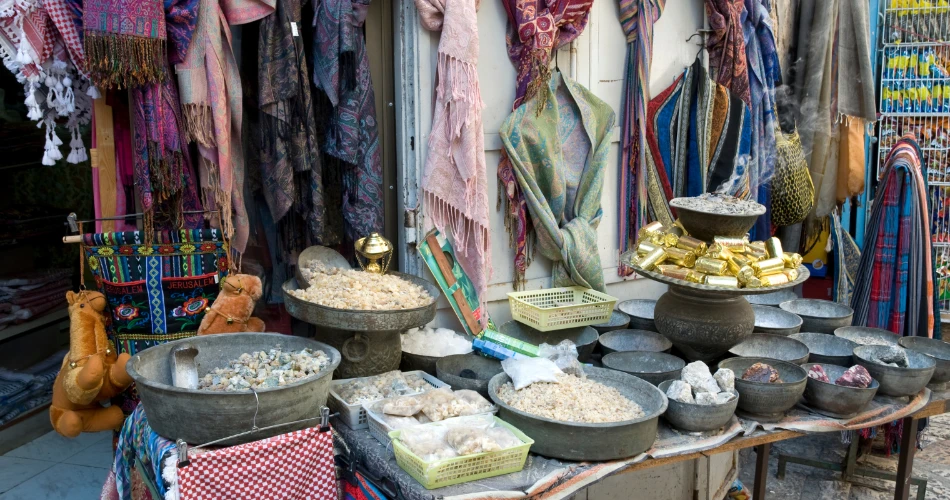
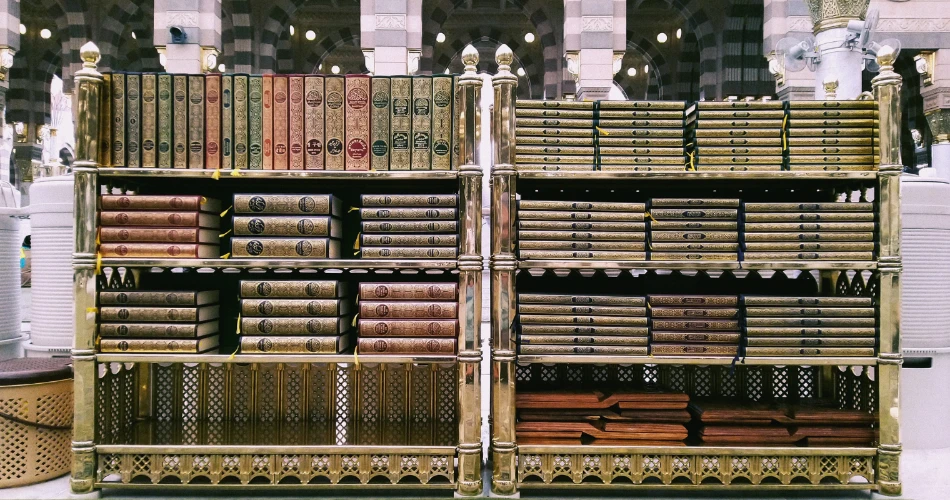
No spiritual walk is complete without experiencing the lively traditional markets. These souqs are more than just shopping destinations; they are living pieces of heritage. Walking through their narrow alleys, you’ll find shops selling prayer beads, incense, Qur’anic manuscripts, handmade clothing, and locally crafted goods. Beyond buying souvenirs, strolling through these markets allows you to reflect on the simplicity of life and the blessings of sustenance. The gentle buzz of traders calling out their wares and the aroma of spices create a sensory experience that grounds your journey.
Quiet Reflection in Courtyards
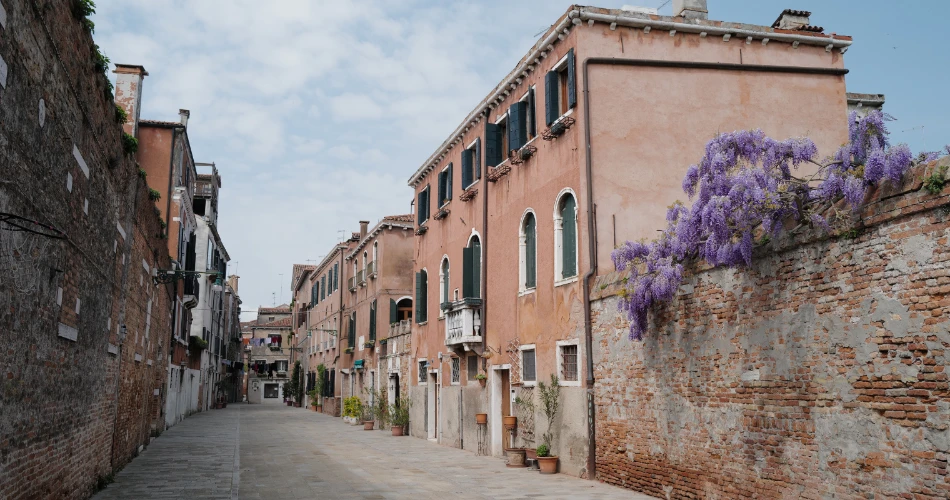
The Holy City is filled with hidden courtyards, many attached to old houses, madrassas, or small mosques. These serene spaces often go unnoticed, but they are perfect for moments of solitude. Finding a quiet corner in a courtyard, sitting under a shaded tree, and simply breathing in the calm can transform your walk into a meditative experience. Such peaceful pauses allow the soul to absorb the energy of the sacred city and reflect on gratitude and faith.
Walking Along Ancient Walls and Gates
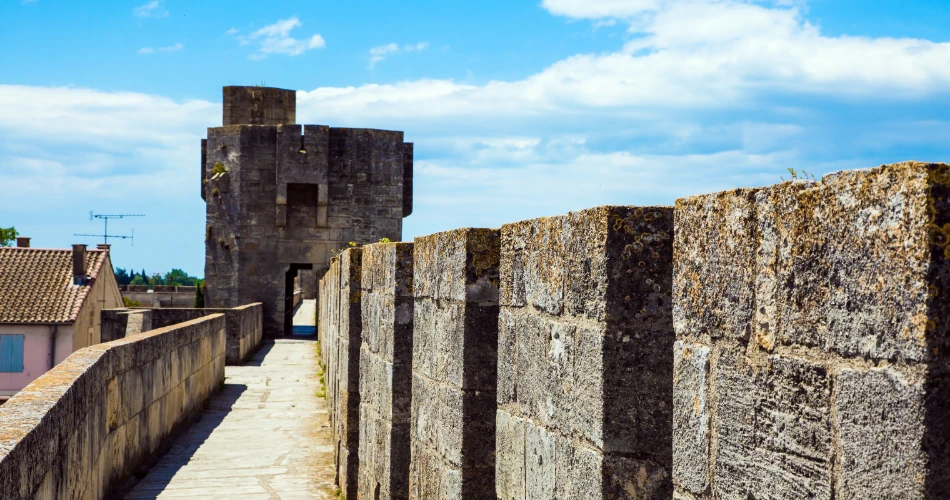
As you explore the historic lanes, the ancient walls and gates that once protected the city tell silent stories of the past. Walking alongside these structures, touching the stone walls, or simply observing their grandeur can be a powerful spiritual activity. These walls remind visitors of resilience and continuity, showing how faith and community endured through generations. The gates, often decorated with Islamic patterns, serve as symbolic entrances into a journey of spirituality.
Enjoying Local Food with Gratitude
A spiritual walk is also enriched by tasting the traditional foods sold in small eateries and stalls across the old lanes. From fresh bread and dates to aromatic teas and simple home-style dishes, food in the Holy City is both nourishing and symbolic. Sharing a meal or even a cup of tea with fellow travelers or locals becomes an act of gratitude. Eating with mindfulness and remembering the blessings in each bite adds depth to your journey.

Listening to the Call to Prayer
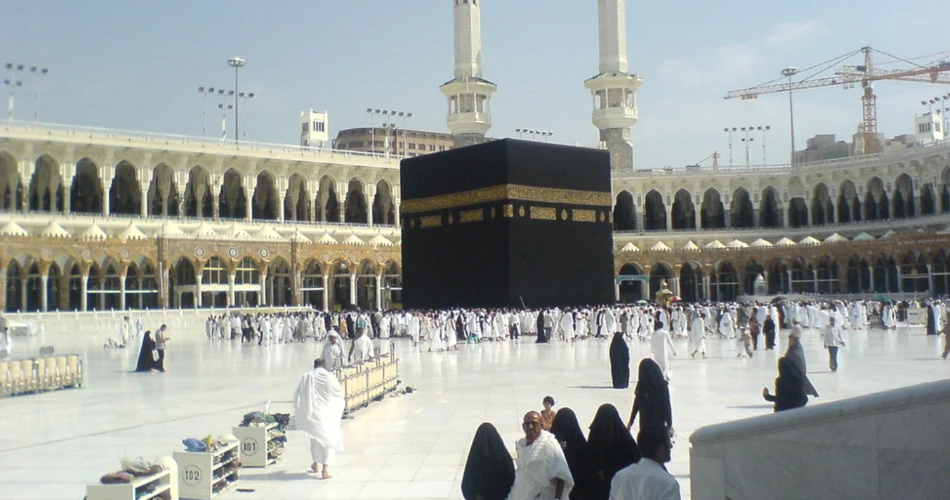
One of the most profound moments during a spiritual walk is pausing to listen to the call to prayer echoing through the narrow streets. The sound reverberates from one minaret to another, enveloping the city in a rhythm of faith. Many visitors describe this as the highlight of their walk, as it connects the entire city in a unified act of devotion. Stopping to listen, closing your eyes, and allowing the sound to guide your thoughts is an activity that leaves a lasting impression.

Visiting Historical Learning Centers
Throughout the Holy City, there are old madrassas and libraries that once served as centers of learning. Walking into these spaces, you can almost feel the presence of scholars who studied and taught centuries ago. While some may no longer function as schools, many still hold ancient manuscripts and serve as reminders of Islam’s golden era of knowledge. Visiting these sites during your walk encourages reflection on the value of seeking knowledge as a form of worship.
Sitting by Pathways and Observing Life
Sometimes, the simplest act during a spiritual walk is to sit along the pathways of the Holy City and observe daily life. Watch children play in alleys, shopkeepers arrange their goods, or travelers exchange greetings. Observing life in its simplicity can be grounding and a reminder of the community spirit that thrives in the city. It transforms an ordinary walk into a lesson of patience, kindness, and mindfulness.
Conclusion
A spiritual walk through the historic lanes of the Holy City is not about rushing to see landmarks—it is about slowing down, observing, reflecting, and finding meaning in small activities. From visiting mosques and exploring markets to pausing in courtyards and listening to the call to prayer, every step is an opportunity to nurture the soul.
These simple yet profound activities create memories that last a lifetime, offering travelers not just a journey through streets, but a journey within themselves. Whether you are visiting for the first time or returning again, these sacred walks remind you of the timeless bond between faith, history, and community.